
Hep B
Hepatitis B is a most common infectious disease caused by the hepatitis B virus (HBV) that affects the liver. The hepatitis B virus is a small DNA virus that is included in Hepadnaviridae virus family.It can be both acute and chronic infections.The virus hepatitis B (HBV) is transmission can be through blood and infected fluids in the body.
It can be 50 to 100 times more infectious than human immunodeficiency virus (HIV).
Hep B can be passed to others through direct contact with blood, unprotected sex, blood transfusions and transfusion with other human blood products, use of illegal drugs, re-use of unsterilized or contaminated needles, and vertical transmission from mother to child (MTCT) during childbirth. Without involvement a mother who is positive for HBsAg has a risk of passing the infection to her child at the time of birth. This risk is as high as 90% if the mother is also positive for HBeAg.
HBV transmission by birth can be prevented by identifying HBV-infected (i.e., hepatitis B surface antigen [HBsAg]-positive) pregnant women and providing hepatitis B immune globulin and hepatitis B vaccine to their infants within 12 hours of birth, followed by completion of the vaccine series and postvaccination serologic testing.
HBV can be transmitted between family members within house mostly by contact of non intact skin or mucous membrane with secretions or saliva containing HBV.
Signs and symptoms of hepatitis B range from mild to severe. Symptoms usually appear about one to four months after been infected. Usually young children may not have any symptoms.
Hepatitis B signs and symptoms may include: Fever,jaundice, Joint pain, Nausea and vomiting, Loss of appetite, Abdominal pain, Dark urine, Weakness and fatigue
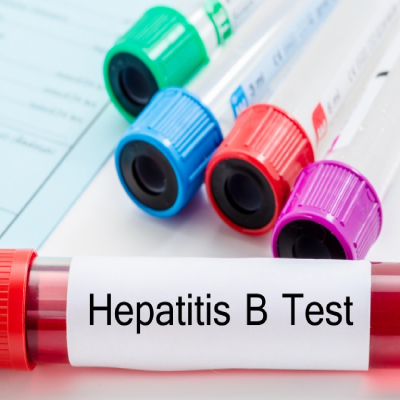
The good news is that hepatitis B can be treated and prevented. That is a simple blood test to diagnose a hepatitis B infection. Testing is the only way to know if you are infected for sure . There are effective vaccines and drug therapies that can manage hepatitis B infection.
If a person have hepatitis B symptoms and high levels of liver enzymes, then the person should be tested for:Hepatitis B surface antigen and antibody (HBsAg). Antigens are proteins on the hepatitis B virus. Antibodies are proteins made by your immune cells.
If the disease is chronic, the doctor might take a tissue sample from your liver and test called a biopsy. This will tell him how severe your case is.
Treatment of chronic infection may be necessary to reduce the risk of cirrhosis,liver cancer, liver damage.