What are leukocytes?
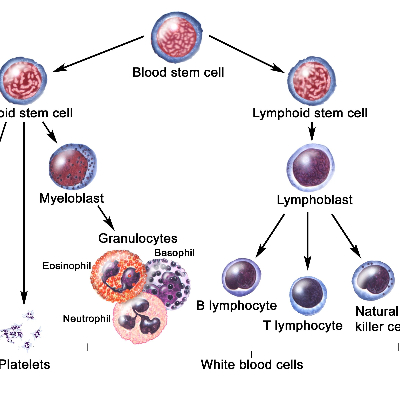
Leukocytes may also be found in a urinalysis, or a urine test. High levels of WBCs in your urine also suggest that you have an infection. In this case, your body is trying to fight off an infection somewhere in your urinary tract. Usually, that means the bladder or the urethra, which is the tube that carries urine from the bladder. Leukocytes in the urine could also suggest a kidney infection.A type of blood cell that is made in the bone marrow and found in the blood and lymph tissue. Leukocytes are part of the body’s immune system. They help the body fight infection and other diseases. Types of leukocytes are granulocytes (neutrophils, eosinophils, and basophils), monocytes, and lymphocytes (T cells and B cells). Checking the number of leukocytes in the blood is usually part of a complete blood cell (CBC) test. It may be used to look for conditions such as infection, inflammation, allergies, and leukemia. Also called WBC and white blood cell.
Symptoms
Leukocytes in urine don’t necessarily cause symptoms on their own. If you do have leukocytes in your urine, your symptoms will vary depending on the condition that is causing the leukocytes to build up in your urine. The symptoms include a frequent urge to urinate,a burning sensation when urinating,cloudy or pink-tinted urine
strong smelling urine or pelvic pain, especially in women. Obstructions in the urinary tract can cause a range of symptoms depending on the location and type of obstruction. In most cases, the main symptom is pain on one or both sides of the abdomen. Kidney stones may cause similar symptoms as a UTI but may also include nausea, vomiting, and intense pain.Leukocyte reduction of RBC and platelet products has been used for many years in selected groups of patients. It is important to recognize that leukocytes in blood products can induce adverse effects in the recipient.The WBC histogram has three peaks. The first peak corresponds to lymphocytes and the third peak corresponds to neutrophils, whereas the second peak corresponds to the remainder types of WBCs. When nucleated RBCs are present, then these cells may be counted as WBCs, especially lymphocytes. The total WBC count may thus be falsely elevated. For an accurate WBC count, the analyzer must be run in the NRBC mode. This is referred to as the corrected WBC count. In some printouts, UWBC represents uncorrected WBC count, and WBC represents corrected WBC count.
Diagnosis
If you’re healthy, you can still have elevated leukocytes in your bloodstream and urine. A normal range in the bloodstream is between 4,500-11,000 WBCs per microliter. A normal range in the urine is lower than in the blood, and may be from 0-5 WBCs per high power field (wbc/hpf).White Blood Cell Count (WBC) - Most commonly utilized test to monitor characteristic response to infection. Diagnostically useful for diseases such as leukemia, leukocyte disorders, as well as monitoring therapy of these diseases.The number of leukocytes in the blood is often an indicator of disease, and thus the white blood cell count is an important subset of the complete blood count. The normal white cell count is usually between 4 × 10⁹/L and 1.1 × 10¹⁰/L. In the US, this is usually expressed as 4,000 to 11,000 white blood cells per microliter of blood.White blood cells make up approximately 1% of the total blood volume in a healthy adult, making them substantially less numerous than the red blood cells at 40% to 45%. However, this 1% of the blood makes a large difference to health, because immunity depends on it. An increase in the number of leukocytes over the upper limits is called leukocytosis. It is normal when it is part of healthy immune responses, which happen frequently. It is occasionally abnormal, when it is neoplastic or autoimmune in origin. A decrease below the lower limit is called leukopenia. This indicates a weakened immune system.