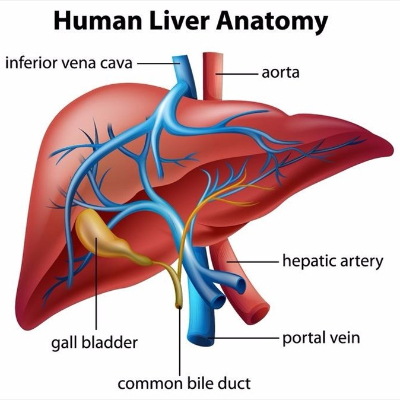
Overview
An enzyme is a chemical that accelerates (speeds up) chemical reactions within the body. There are several enzymes in the liver, including alanine transaminase (ALT), aspartate transaminase (AST), alkaline phosphatase (ALP), and gamma-glutamyl transpeptidase (GGT). Elevated liver enzymes, found with a blood test, indicate inflamed or injured liver cells.The liver is the body's largest internal organ. It is located below the diaphragm on the right side of the abdomen. The liver performs many functions, including Produces most of the proteins the body needs ,Metabolizes (breaks down) nutrients from food to produce energy,Prevents shortages of nutrients by storing certain vitamins, minerals, and sugar and Produces substances that help with blood clotting.
Alanine transaminase (ALT)
Alanine Aminotransferase (ALT) measurements are particularly useful in the diagnosis and management of certain liver diseases, e.g., viral hepatitis and cirrhosis. ALT activity in tissue is generally much lower than aspartate aminotransferase (AST) activity and is found in highest concentrations in the liver. Significant elevations of ALT occur only in diseases of the liver. ALT is often measured in conjunction with AST to determine whether the source of the AST is the liver or the heart. ALT is normally not elevated in cases of myocardial infarction, i.e., a normal ALT, in conjunction with an elevated AST, tends to suggest cardiac disease. However, slight elevations of ALT may occur if an infarct destroys a very large volume of heart muscle.ALT is an enzyme found in the liver that helps convert proteins into energy for the liver cells. When the liver is damaged, ALT is released into the bloodstream and levels increase.Alanine aminotransferase (ALT) is an enzyme found primarily in the liver and kidney. It was originally referred to as serum glutamic pyruvic transaminase (SGPT). Normally, a low level of ALT exists in the serum. ALT is increased with liver damage and is used to screen for and/or monitor liver disease. Alanine aminotransferase (ALT) is usually measured concurrently with AST as part of a liver function panel to determine the source of organ damage. ALT is normally found inside liver cells. However, when your liver is damaged or inflamed, ALT can be released into your bloodstream. This causes serum ALT levels to rise.Measuring the level of ALT in a person’s blood can help doctors evaluate liver function or determine the underlying cause of a liver problem. The ALT test is often part of an initial screening for liver disease.An ALT test is also known as a serum glutamic-pyruvic transaminase (SGPT) test or an alanine transaminase test.
Aspartate transaminase (AST)
Aspartate Aminotransferase (AST) is an enzyme that’s present in various tissues of your body. An enzyme is a protein that helps trigger chemical reactions that your body needs to function. AST is widely distributed throughout the tissues with significant amounts being in the heart and liver. Lesser amounts are found in skeletal muscles, kidneys, pancreas, spleen, lungs, and brain. Injury to these tissues results in the release of the AST enzyme to general circulation. In myocardial infarction, serum AST may begin to rise within 6-8 hours after onset, peak within two days and return to normal by the fourth or fifth day post infarction. An increase in serum AST is also found with hepatitis, liver necrosis, cirrhosis, and liver metastasis. AST is an enzyme that helps metabolize amino acids. Like ALT, AST is normally present in blood at low levels. An increase in AST levels may indicate liver damage, disease or muscle damage.AST is found in the highest concentrations in your liver, muscles, heart, kidney, brain and red blood cells. A small amount of AST is typically in your bloodstream. Higher-than-normal amounts of this enzyme in your blood may be a sign of a health problem. Abnormal levels can be associated with liver injury.The AST test measures the amount of AST in your blood that has been released from injured tissue. An older name for the test is serum glutamic-oxaloacetic transaminase (SGOT).Looking for test for transgender?. Use Tuhealthy to find blood test candida near you.