Overview
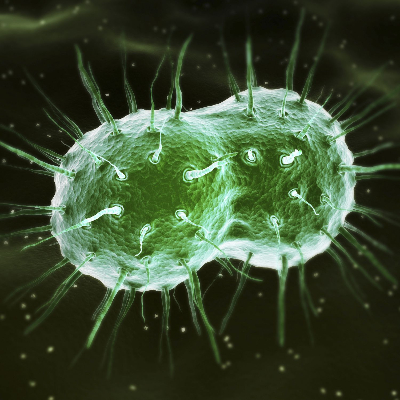
Gonorrhea is a sexually transmitted disease (STD). You get it from having sex with someone who is infected with it. You may have heard people call it “the clap.” Both men and women can get it, though men get it more often than women.Gonorrhea passes from person to person through unprotected oral, anal, or vaginal sex. People with numerous sexual partners or those who don’t use a condom are at greatest risk of infection. The best protections against infection are abstinence, monogamy (sex with only one partner), and proper condom usage. Behaviors that make a person more likely to engage in unprotected sex also increase the likelihood of infection. These behaviors include alcohol abuse and illegal drug abuse, particularly intravenous drug use.Gonorrhea most often affects the urethra, rectum or throat. In females, gonorrhea can also infect the cervix.Gonorrhea is most commonly spread during vaginal, oral or anal sex. But babies of infected mothers can be infected during childbirth. In babies, gonorrhea most commonly affects the eyes.Abstaining from sex, using a condom if you have sex and being in a mutually monogamous relationship are the best ways to prevent sexually transmitted infections.
Symptoms & Causes of Gonorrhea
In many cases, gonorrhea infection causes no symptoms. Symptoms, however, can affect many sites in your body, but commonly appear in the genital tract.Gonorrhea affecting the genital tract. Symptoms usually occur within two to 14 days after exposure. However, some people infected with gonorrhea never develop noticeable symptoms. It’s important to remember that a person with gonorrhea who doesn’t have symptoms, also called a nonsymptomatic carrier, is still contagious. A person is more likely to spread the infection to other partners when they don’t have noticeable symptoms. Men may not develop noticeable symptoms for several weeks. Some men may never develop symptoms.Typically, the infection begins to show symptoms a week after its transmission. The first noticeable symptom in men is often a burning or painful sensation during urination.Signs and symptoms of gonorrhea infection in men include Painful urination,Pus-like discharge from the tip of the penis,Pain or swelling in one testicle.
Many women don’t develop any overt symptoms of gonorrhea. When women do develop symptoms, they tend to be mild or similar to other infections, making them more difficult to identify. Gonorrhea infections can appear much like common vaginal yeast or bacterial infections.Signs and symptoms of gonorrhea infection in women include Increased vaginal discharge,Painful urination,Vaginal bleeding between periods, such as after vaginal intercourse or Abdominal or pelvic pain.
Tests for gonorrhea
Healthcare professionals can diagnose gonorrhea infection in several ways. They can take a sample of fluid from the symptomatic area with a swab (penis, vagina, rectum, or throat) and place it on a glass slide. If your doctor suspects a joint or blood infection, he or she will obtain the sample by drawing blood or inserting a needle into the symptomatic joint to withdraw fluid. They will then add a stain to the sample and examine it under a microscope. If cells react to the stain, you most likely have a gonorrhea infection. This method is relatively quick and easy, but it doesn’t provide absolutely certainty. This test may also be completed by a lab technologist.HIV-1/2 Antigen and Antibodies, Fourth Generation, with Reflexes test is used to help diagnose HIV-1 and HIV-2 infection, including acute infection, and to differentiate HIV-1 from HIV-2. It is consistent with the HIV diagnostic algorithm proposed by the Centers for Disease Control and Prevention. It can be used in adults, including pregnant women, and in children at least 2 years old.This test allows detection of acute HIV-1 infection based on the presence of p24 antigen, before seroconversion occurs, allowing for earlier diagnosis than with previous tests. It can also detect HIV-1 and HIV-2 post-seroconversion, based on antibodies. If the HIV-1/HIV-2 antigen/antibody test is positive, an antibody-based HIV-1/HIV-2 test is done (at additional charge) to confirm infection and identify whether it is caused by HIV-1 or HIV-2. However, the HIV-1/HIV-2 differentiation test will be negative during acute infection (prior to development of specific antibodies). If the antibody-based HIV-1/HIV-2 test is negative, the blood specimen will be reflex-tested for the presence of HIV-1 RNA (at additional charge) to identify patients with acute HIV-1 infection.