What is Hepatitis B?
Hepatitis B is a vaccine-preventable liver infection caused by the hepatitis B virus (HBV). Hepatitis B is spread when blood, semen, or other body fluids from a person infected with the virus enters the body of someone who is not infected. This can happen through sexual contact; sharing needles, syringes, or other drug-injection equipment; or from mother to baby at birth. Not all people newly infected with HBV have symptoms, but for those that do, symptoms can include fatigue, poor appetite, stomach pain, nausea, and jaundice. For many people, hepatitis B is a short-term illness. For others, it can become a long-term, chronic infection that can lead to serious, even life-threatening health issues like cirrhosis or liver cancer. Risk for chronic infection is related to age at infection: about 90% of infants with hepatitis B go on to develop chronic infection, whereas only 2%–6% of people who get hepatitis B as adults become chronically infected. The best way to prevent hepatitis B is to get vaccinated.
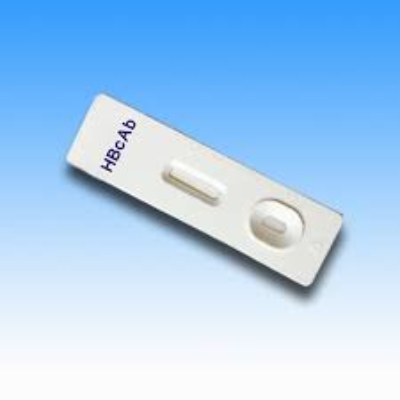
What is Hepatitis B Core Antibody test?
This test looks for antibodies called IgM in your blood. The test is used to find out whether you are actively infected with the hepatitis B virus (HBV).HBV has a central core and a surrounding envelope. Your immune system makes IgM antibodies to the core of HBV during the active stage of infection. Hepatitis B core IgM antibodies begin to appear in your blood several weeks after you are first infected with HBV. People who have had the hepatitis B vaccine will not have the core antibody in their blood.HBV is one of 5 hepatitis viruses. The others are hepatitis A, C, D, and E. Most hepatitis infections are caused by these 5 viruses. HBV is spread through blood, seminal fluid, and vaginal secretions. It can take 60 to 150 days to develop symptoms of hepatitis B after you become infected. The virus causes an infection in the liver. In most cases, this virus clears up on its own within 6 months. But in a small portion of adults and a larger portion of children, the virus does not go away. This is especially true for newborns. This is called having a chronic infection. It may lead to liver cell damage; scarring, or cirrhosis; or liver cancer.
What do HBcAb test results mean?
The hepatitis B core antigen test shows whether you’re currently infected with HBV. Positive results usually mean you have acute or chronic hepatitis B. It may also mean you’re recovering from acute hepatitis B.hepatitis B core antibody blood test remains positive indefinitely as a marker of past HBV infection.Hepatitis B core antibody Test - A "positive" or "reactive" anti-HBc (or HBcAb) test result indicates a past or current hepatitis B infection. The core antibody does not provide any protection against the hepatitis B virus (unlike the surface antibody described above). This test can only be fully understood by knowing the results of the first two tests (HBsAg and anti-HBs). A positive anti-HBc (or HBcAb) test result requires talking to your health care provider for a complete explanation of your hepatitis B status.Hepatitis B Core Antibody, Total - This assay does not distinguish between Total B Core Antibody IgG and IgM detected before or at the onset of symptoms; however, such reactivity can persist for years after illness, and may even outlast anti-HBS. Occasionally Hepatitis B Core Antibody may be the only marker of either current or past Hepatitis B infection. HBV vaccination leads to development of HBsAb but not to HBeAb. Looking for what is hepatic function panel?. Tuhealthy App help you to find acute hepatitis panel