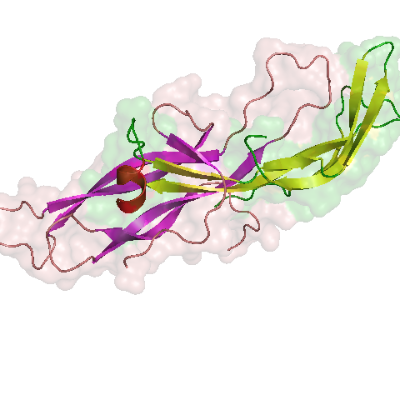
What is HCG?
Human chorionic gonadotropin (HCG) is a hormone that supports the normal development of an egg in a woman's ovary, and stimulates the release of the egg during ovulation.HCG is used to cause ovulation and to treat infertility in women, and to increase sperm count in men. HCG is also used in young boys when their testicles have not dropped down into the scrotum normally. This can be caused by a pituitary gland disorder.HCG may also be used for other purposes not listed in this medication guide.Human chorionic gonadotropin (HCG) is given as an injection under the skin or into a muscle. If you use human chorionic gonadotropin (HCG) at home, your doctor, nurse, or pharmacist will give you specific instructions on how and where to inject this medicine. Do not self-inject this medicine if you do not fully understand how to give the injection and properly dispose of used needles and syringes.Call your doctor at once if you have any of these signs of a blood clot: pain, warmth, redness, numbness, or tingling in your arm or leg; confusion, extreme dizziness, or severe headache.
What problems can occur with hCG?
The Human Chorionic Gonadotropin (hCG) hormone is important in the early stages of pregnancy. It is produced by cells that are surrounding a growing embryo, which eventually forms the placenta. hCG can be detected in your body as early as 1 week after an egg is fertilized, which forms the basis of most over the counter pregnancy tests. hCG also ensures the corpus luteum, a temporary endocrine gland a woman’s body produces after ovulation, continues to produce progesterone during the first trimester of pregnancy. Low concentrations of hCG are also produced by the pituitary gland, thus, men and non-pregnant women still have detectable levels of HcG throughout their lives.Very high hCG levels are rare. In these cases, it may be sign of a molar pregnancy, which is an abnormal growth of cells that usually develop in the placenta. In people who are not pregnant, high hCG levels may be due to certain cancers such as breast, kidney, and lung.Low levels of hCG may be a sign of a miscarriage or another problem within the pregnancy, such as the embryo implanting outside of the uterus.Looking for lab tests now?. Tuhealthy App will help you to find quest lab near you.
Diagnostic Tests
Serum tests for hCG are immunometric assays. This means that they use two antibodies that bind to the hCG molecule, a fixed antibody and a radiolabeled antibody which adhere to different sites on the molecule, sandwiching and immobilize the molecule to make it detectable. Assays involve washing away the excess serum components and measuring the amount of remaining labeled hCG to give a quantitative result. There are more than 100 different assays commercially available which results in significant variability in reported values.hCG, Total, Quantitative - hCG may reach detectable limits within 7-10 days of conception. hCG is produced by the placenta and reaches a peak between the 7th and 10th week of gestation. hCG is a glycoprotein hormone produced by the syncytiotrophoblast of the placenta and secreted during normal pregnancy and with pathologic conditions such as hydatidiform mole, choriocarcinoma and testicular neoplasm. Order hCG, Total, Qualitative, Urine, if hCG serum result is inconsistent with clinical presentation.