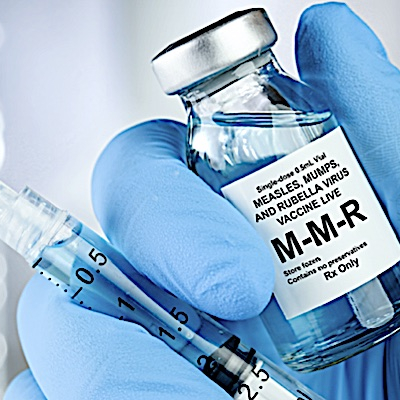
What Are Measles, Mumps, and Rubella?
Measles, mumps, and rubella are viral diseases. All can be very serious.
Measles starts as a fever, cough, runny nose, conjunctivitis (pinkeye), and a red, pinpoint rash that starts on the face and spreads to the rest of the body. If the virus infects the lungs, it can cause pneumonia. Measles in older children can lead to inflammation of the brain, called encephalitis, which can cause seizures and brain damage.
The mumps virus usually causes swelling in glands just below the ears, giving the appearance of chipmunk cheeks. Before the vaccine, mumps was the most common cause of both meningitis (inflammation of the lining of the brain and spinal cord) and acquired deafness in the U.S. In men, mumps can infect the testicles, which can lead to infertility.
Rubella can cause fever, sore throat, rash, headache, and eye irritation. It can cause arthritis in up to half of teenage and adult women. If a woman gets rubella while she is pregnant, she could have a miscarriage or her baby could be born with serious birth defects.
Why get vaccinated?
MMR vaccine can prevent measles, mumps, and rubella.Most people who are vaccinated with MMR will be protected for life. Vaccines and high rates of vaccination have made these diseases much less common in the United States.should get 2 doses of MMR vaccine, usually:
First Dose: 12 through 15 months of age
Second Dose: 4 through 6 years of age
Infants who will be traveling outside the United States when they are between 6 and 11 months of age should get a dose of MMR vaccine before travel. This can provide temporary protection from measles infection but will not give permanent immunity. The child should still get 2 doses at the recommended ages for long-lasting protection.Adults might also need MMR vaccine. Many adults 18 years of age and older might be susceptible to measles, mumps, and rubella without knowing it.
MMR titers test.
A mmr titers test is a laboratory blood test. Titer test for mmr checks for the presence of certain antibodies in the blood stream. Testing involves drawing blood from a patient and check it in a lab for presence of bacteria or disease. It is often used to see if someone is immune to a certain virus or needs vaccination.
MMR (IgG) Panel (Measles, Mumps, Rubella) - This panel provides presumptive evidence of immunity to measles, mumps, and rubella for purposes of routine vaccination, for students at post-high school educational institutions, and for international travelers.
Hepatitis B Surface Antibody Immunity, Quantitative - This assay is used to determine immune status for Hepatitis B as =10 mIU/mL as per CDC Guidelines.
Varicella-Zoster Virus Antibody (IgG)- Varicella-Zoster Virus (VZV) causes chicken pox and when reactivated, potentially decades later, causes shingles. Twenty percent of adults will develop shingles, a rash or blister of the skin that may cause severe pain. Varicella-Zoster IgG, EIA reliably measures immunity due to previous infection, but is unsuitable for detection of post-vaccination immune status.