Overview
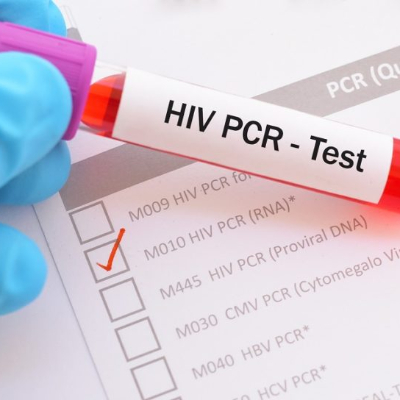
HIV (human immunodeficiency virus) is a virus that attacks the immune system, the body's natural defense system. Without a strong immune system, the body has trouble fighting off disease. Both the virus and the infection it causes are called HIV.Polymerase chain reaction (PCR) tests are used to detect HIV's genetic material, called RNA. These tests can be used to screen the donated blood supply and to detect very early infections before antibodies have been developed. This test may be performed just days or weeks after exposure to HIV. Although these tests are the most accurate, they are not performed as often as the other HIV tests because they are expensive and also time- and labor-intensive.A human immunodeficiency virus (HIV) test detects HIV antibodies or antigens, or the genetic material (DNA or RNA) of HIV in the blood or another type of sample. This determines whether an HIV infection is present (HIV-positive). HIV infects white blood cells called CD4+ cells, which are part of the body's immune system that help fight infections. HIV can progress to acquired immunodeficiency syndrome (AIDS).
The Importance of Early Detection for HIV
The human immunodeficiency virus can be spread through many types of bodily fluids. HIV is no longer an absolute death sentence like it was in the eighties, but it is still a very serious infection. If you do not know you have HIV, the illness can progress and eventually cause AIDS. This leads to a variety of problems like severe infection, sweating, fatigue, weight loss, and cancer.Because HIV can be dangerous if left untreated, you need to be able to find out if you have it as soon as possible, The most effective form of HIV treatment, antiretroviral therapy, will work the best if you can begin taking it before you experience any symptoms. With proper treatment and care, you can avoid ever developing AIDS even if you are HIV positive. Prompt treatment can keep other serious complications of HIV, like certain cancers and opportunistic infections, from developing too.Early detection is also essential because it helps you to avoid infecting anyone else. Once you begin treatment, your HIV viral load will decrease, reducing the chance of you infecting someone. You will also be properly informed, so you can take steps to keep your sexual partners from ending up with HIV. Getting tested and diagnosed with HIV as soon as possible is the right choice for both you and your loved ones.Looking for ua test near me?.Use Tuhealthy app for finding lab quest hours.
What Is an RNA Test for HIV?
Polymerase chain reaction (PCR) test finds either the RNA of the HIV virus or the HIV DNA in white blood cells infected with the virus. PCR testing is not done as frequently as antibody testing, because it requires technical skill and expensive equipment. This test may be done in the days or weeks after exposure to the virus. Genetic material may be found even if other tests are negative for the virus. The PCR test is very useful to find a very recent infection, determine if an HIV infection is present when antibody test results were uncertain, and screen blood or organs for HIV before donation.After the original infection, it takes about 4 to 12 weeks for HIV antibodies or antigens to appear in the blood. The period between becoming infected with HIV and the point at which antibodies or antigens to HIV can be detected in the blood is called the seroconversion or "window" period. During this period, an HIV-infected person can still spread the disease, even though a test will not detect any antibodies or antigens in his or her blood.HIV-1 DNA, Qualitative, PCR - HIV-1 DNA PCR is a sensitive method for detection of pro-viral DNA. It has been used in the management of perinatal HIV infection. HIV-1 RNA has recently been confirmed equally as sensitive and specific for this purpose.