The purpose of platelets
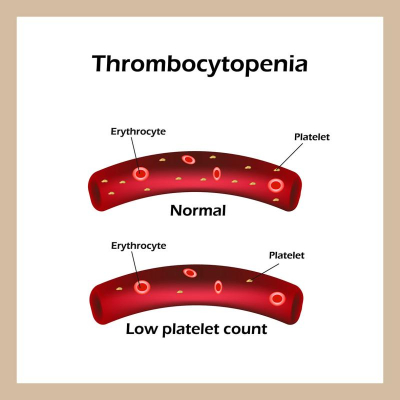
Platelets are tiny blood cells that help your body form clots to stop bleeding. If one of your blood vessels gets damaged, it sends out signals to the platelets. The platelets then rush to the site of damage. they form a plug (clot) to fix the damage. The process of spreading across the surface of a damaged blood vessel to stop bleeding is called adhesion. This is because when platelets get to the site of the injury, they grow sticky tentacles that help them stick (adhere) to one another. They also send out chemical signals to attract more platelets. The additional platelets pile onto the clot in a process called aggregation.Thrombocytopenia is a condition in which you have a low blood platelet count. Platelets (thrombocytes) are colorless blood cells that help blood clot. Platelets stop bleeding by clumping and forming plugs in blood vessel injuries. Thrombocytopenia might occur as a result of a bone marrow disorder such as leukemia or an immune system problem. Or it can be a side effect of taking certain medications. It affects both children and adults.
Platelet Count Test
A platelet blood count is a blood test that measures the average number of platelets in the blood. Platelets help the blood heal wounds and prevent excessive bleeding. High or low platelet levels can be a sign of a severe condition.Platelet Count, EDTA - Platelets must be present in adequate numbers and have proper function to aid in hemostasis. The test gives a platelet count per microliter (mcL) of blood.The measurement is the number of platelets a person has, on average, per microliter.The ideal platelet range is 150,000 to 400,000 per mcL in most healthy people.Low platelet count is known as thrombocytopenia. High platelet count is known as thrombocytosis.The test can be done on its own or as part of a CBC test. A doctor will often perform a platelet count test if they suspect a person has a disorder that affects platelet count.Looking for blood titers?. Use Tuhealthy App to find food allergies test near me.
What is being tested?
Platelets, also called thrombocytes, are tiny fragments of cells that are essential for normal blood clotting. They are formed from very large cells called megakaryocytes in the bone marrow and are released into the blood to circulate. The platelet count is a test that determines the number of platelets in your sample of blood.When there is an injury to a blood vessel or tissue and bleeding begins, platelets help stop bleeding in three ways. They Adhere to the injury site , Clump together (aggregate) with other platelets and Release chemical compounds that stimulate aggregation of other plateletsThese steps result in the formation of a loose platelet plug at the site of the injury in a process called primary hemostasis. At the same time, activated platelets support the coagulation cascade, a series of steps that involves the sequential activation of proteins called clotting factors. This secondary hemostasis process results in the formation of strands of fibrin that weave through the loose platelet plug, form a fibrin net, and compress to form a stable clot that remains in place until the injury has healed. When the clot is no longer needed, other factors break the clot down and remove it.Each component of the clotting process must be present, activated at the right time, and functioning properly for adequate clotting. If there is an insufficient number of platelets or if the platelets are not functioning normally, a stable clot may not form and you may be at an increased risk of excessive bleeding.