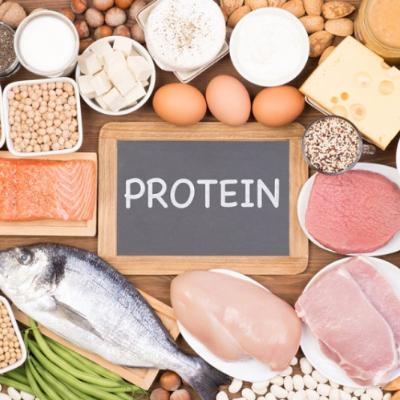
What Is Protein?
Protein is a macronutrient that is essential to building muscle mass. It is commonly found in animal products, though is also present in other sources, such as nuts and legumes. There are three macronutrients: protein, fats and carbohydrates. Macronutrients provide calories, or energy. The body requires large amounts of macronutrients to sustain life, hence the term “macro,” according to the University of Illinois McKinley Health Center. Each gram of protein contains 4 calories. Protein makes up about 15 percent of a person’s body weight.Chemically, protein is composed of amino acids, which are organic compounds made of carbon, hydrogen, nitrogen, oxygen or sulfur. Amino acids are the building blocks of proteins, and proteins are the building blocks of muscle mass, according to the National Institutes of Health (NIH).
How much protein do I need?
Protein makes up the building blocks of organs, muscles, skin, and hormones. Your body needs protein to maintain and repair tissues. Meanwhile, children need it for growth.
Studies show that eating protein can also help you lose weight and belly fat while increasing your muscle mass and strength .A diet that is high in protein may also help lower blood pressure and fight diabetes.The Reference Daily Intake (RDI) for protein is 46 grams for women and 56 grams for men.The National Academy of Medicine recommends that adults get a minimum of 0.8 grams of protein for every kilogram of body weight per day, or just over 7 grams for every 20 pounds of body weight.
For a 140-pound person, that means about 50 grams of protein each day.
For a 200-pound person, that means about 70 grams of protein each day.
The National Academy of Medicine also sets a wide range for acceptable protein intake—anywhere from 10% to 35% of calories each day. Beyond that, there’s relatively little solid information on the ideal amount of protein in the diet or the healthiest target for calories contributed by protein. In an analysis conducted at Harvard among more than 130,000 men and women who were followed for up to 32 years, the percentage of calories from total protein intake was not related to overall mortality or to specific causes of death.
Total protein test
A total protein test measures the amount of protein in your blood.Albumin and globulin are two types of protein in your body. The total protein test measures the total amount albumin and globulin in your body. It’s used as part of your routine health checkup. It may also be used if you have unexpected weight loss, fatigue, or the symptoms of a kidney or liver disease.A total protein test is completed as part of your routine health checkup. It’s one of the tests that make up your comprehensive medical panel (CMP).
Protein, Total, Serum - Total protein is useful in evaluating patients for nutritional status, liver disease, protein-losing renal and gastrointestinal diseases, and many other medical conditions. Elevated concentrations may be observed in patients with monoclonal gammopathies, autoimmune hepatitis, inflammation, and other medical conditions.Looking for trich vag by naa?. Use Tuhealthy App for smac blood test and aso testing.