Overview
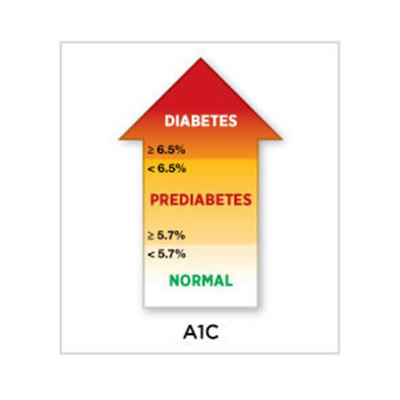
A1C is a blood test for type 2 diabetes and prediabetes. It measures your average blood glucose, or blood sugar, level over the past 3 months. Doctors may use the A1C alone or in combination with other diabetes tests to make a diagnosis. They also use the A1C to see how well you are managing your diabetes. This test is different from the blood sugar checks that people with diabetes do every day.The A1C test goes by many other names, including glycated hemoglobin, glycosylated hemoglobin, hemoglobin A1C and HbA1c.It can identify prediabetes, which raises your risk for diabetes. It can be used to diagnose diabetes. And it's used to monitor how well your diabetes treatment is working over time. It's also a critical step in forming your game plan to manage diabetes with your diabetes care team.The A1C test result reflects your average blood sugar level for the past two to three months. Specifically, the A1C test measures what percentage of your hemoglobin — a protein in red blood cells that carries oxygen — is coated with sugar (glycated). The higher your A1C level, the poorer your blood sugar control and the higher your risk of diabetes complications.
Why it's done
This relatively simple blood test can tell you a lot. The test results give you a picture of your average blood sugar level over the past two to three months. The higher the levels, the greater your risk of developing diabetes complications. Your doctor will tell you how often you need the A1C test, but usually you’ll have the test at least twice a year if you’re meeting your treatment goals. The A1C test measures your average blood sugar level for the past two to three months. The results of your A1C test can help your doctor:
Identify prediabetes. If you have prediabetes, you have a higher risk of developing diabetes and cardiovascular disease.
Diagnose type 1 and type 2 diabetes. To confirm a diabetes diagnosis, your doctor will likely look at the results of two blood tests administered on different days — either two A1C tests or the A1C test plus another diabetes blood test.
Monitor your diabetes treatment plan. The results of your initial A1C test(s) also help establish your baseline A1C level. The A1C test is then repeated on a regular basis to monitor your diabetes treatment plan.
It measures your average blood sugar level for the past two to three months and can show how well your diabetes treatment plan is working to lower your blood sugar over time.
Common A1C Tests
Hemoglobin A1c - To assist with control of blood glucose levels, the American Diabetes Association (ADA) has recommended glycated hemoglobin testing (HbA1c) twice a year for patients with stable glycemia, and quarterly for patients with poor glucose control. Interpretative ranges are based on ADA guidelines.
Cardio IQ® Hemoglobin A1c - To assist with control of blood glucose levels, the American Diabetes Association (ADA) has recommended glycated hemoglobin testing (HbA1c) twice a year for patients with stable glycemia, and quarterly for patients with poor glucose control. Interpretative ranges are based on ADA guidelines.Looking for hemoglobin a1c with mpg?. Use Tuhealthy Apps to fiind test fbs near you.