Sodium
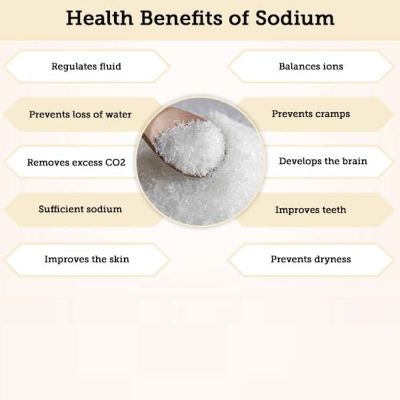
Electrolytes are minerals that carry an electric charge when they are dissolved in a liquid such as blood. The blood electrolytes—sodium, potassium, chloride, and bicarbonate—help regulate nerve and muscle function and maintain acid-base balance and water balance.Sodium is one of the body's electrolytes, which are minerals that the body needs in relatively large amounts. Electrolytes carry an electric charge when dissolved in body fluids such as blood.Most of the body’s sodium is located in blood and in the fluid around cells. Sodium helps the body keep fluids in a normal balance. Sodium plays a key role in normal nerve and muscle function.The body obtains sodium through food and drink and loses it primarily in sweat and urine. Healthy kidneys maintain a consistent level of sodium in the body by adjusting the amount excreted in the urine. When sodium consumption and loss are not in balance, the total amount of sodium in the body is affected. The amount of sodium in the blood may be Too low and it is called hyponatremia or too high and called as hypernatremia.
Symptoms of low sodium in blood
Symptoms of low blood sodium can vary from person to person. If your sodium levels fall gradually, you may not experience any symptoms. If they drop very quickly, your symptoms may be more severe.Losing sodium quickly is a medical emergency. It can cause loss of consciousness, seizures, and coma. Common symptoms of low blood sodium are weakness,fatigue or low energy,headache,nausea,or vomiting.Many factors can cause low blood sodium. Your sodium levels may get too low if your body loses too much water and electrolytes.It can be due to diarrhea,taking certain medications, including antidepressants and pain medications,dehydration or due to kidney disease.
Tests for low sodium in blood
A blood test can help your doctor check for low sodium levels. Even if you don’t have symptoms of low blood sodium, your doctor may order a basic metabolic panel. This tests the amounts of electrolytes and minerals in your blood. A basic metabolic panel is often part of a routine physical. It may identify low blood sodium in someone without any symptoms.If your levels are abnormal, your doctor will order a urine test to check the amount of sodium in your urine. The results of this test will help your doctor determine the cause of your low blood sodium.If your blood sodium levels are low but your urine sodium levels are high, your body is losing too much sodium.Low sodium levels in both your blood and your urine mean your body is not taking in enough sodium. There may also be too much water in your body.
Doctor also may order Sodium blood test and this Sodium measurements are useful in the diagnosis and treatment of aldosteronism, diabetes insipidus, adrenal hypertension, Addison's Disease, dehydration, inappropriate antidiuretic hormone secretion, or other diseases involving electrolyte imbalance.Planning for lab for testing?.Tuhealthy App help you to find quest locations near you.