What is Progesterone?
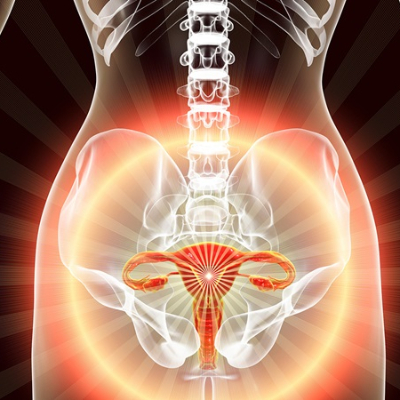
Fertility and menstruation are largely controlled by hormones, and one of these hormones is progesterone. Progesterone is a steroid hormone belonging to a class of hormones called progestogens. It is secreted by the corpus luteum, a temporary endocrine gland that the female body produces after ovulation during the second half of the menstrual cycle.Progesterone is an endogenous steroid and progestogen sex hormone involved in the menstrual cycle, pregnancy, and embryogenesis of humans and other species. It belongs to a group of steroid hormones called the progestogens, and is the major progestogen in the body. Synthetic steroid hormones with progesterone-like properties are called progestins. Progestin is often combined with estrogen, another hormone, to develop contraceptives such as birth control pills and skin patches. Progestin is also useful in treating common menopausal symptoms. Understanding progesterone and progestins will help women make informed choices about their reproductive health.
Symptoms of low progesterone
Progesterone is important during childbearing years. If you don’t have enough progesterone, you may have trouble getting or staying pregnant.After one of your ovaries releases an egg, your progesterone levels should rise. Progesterone helps the uterus thicken in anticipation of receiving a fertilized egg. If it’s not thick enough, the egg won’t implant.Symptoms of low progesterone in women who aren’t pregnant include headaches or migraines,mood changes, including anxiety or depression or irregularity in menstrual cycle.Low progesterone may cause abnormal uterine bleeding in women who aren’t pregnant. Irregular or absent periods may indicate poorly functioning ovaries and low progesterone.If you get pregnant, you still need progesterone to maintain your uterus until your baby is born. Your body will produce this increase in progesterone, which causes some of the symptoms of pregnancy, including breast tenderness and nausea. If your progesterone levels are too low, your uterus may not be able to carry the baby to term.During pregnancy, symptoms of low progesterone include spotting and miscarriage.Low progesterone may indicate ectopic pregnancy. This can result in miscarriage or fetal death.Worry about "does being on your period affect blood test results?". Use Tuhealthy App for blood pregnancy test clinic.
What is a Progesterone Test?
A progesterone test is a blood test. It can help your doctor check on ovulation or possible fertility problems.Your doctor may call it a “serum progesterone” test. By itself, it’s not enough to diagnose any particular problem. But it could help, along with other tests.There are also home urine tests used to monitor ovulation. These are used to look for a possible surge of the LH hormone that triggers ovulation. Some tests check for the actual progesterone metabolite.Progesterone, Immunoassay - Levels increase sharply during the luteal phase of the menstrual cycle. The level increases from 9 to 32 weeks of pregnancy.helps make your uterus ready to support a fertilized egg. Progesterone also helps prepare your breasts for making milk.Progesterone levels vary during a woman's menstrual cycle. The levels start out low, then increase after the ovaries release an egg. If you become pregnant, progesterone levels will continue to rise as your body gets ready to support a developing baby. If you do not become pregnant (your egg is not fertilized), your progesterone levels will go down and your period will begin.Progesterone levels in a pregnant woman are about 10 times higher than they are in a woman who is not pregnant. Men also make progesterone, but in much smaller amounts. In men, progesterone is made by the adrenal glands and testes.